Press Releases

Mammarenaviruses and where to find them: why subspecific rodent taxa matter

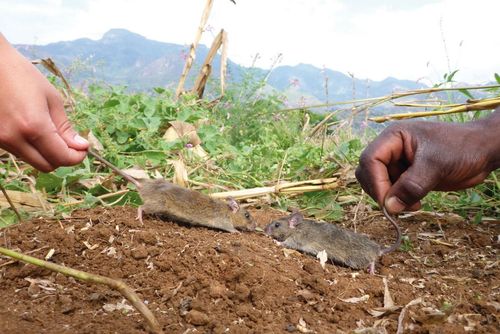
A recent study led by researchers from the University of Antwerp, the Institute of Vertebrate Biology (IVB) of the Czech Academy of Sciences and the Sokoine University of Agriculture in Morogoro screened 1225 rodents and shrews in Tanzania for mammarenavirus RNA, revealing mammarenaviruses might…


Going beyond English is critical for conservation

Research in languages other than English is critically important for biodiversity conservation and is shockingly under-utilised internationally, according to an international research team.

On the wings of love - the evolution of aerial display in passerines

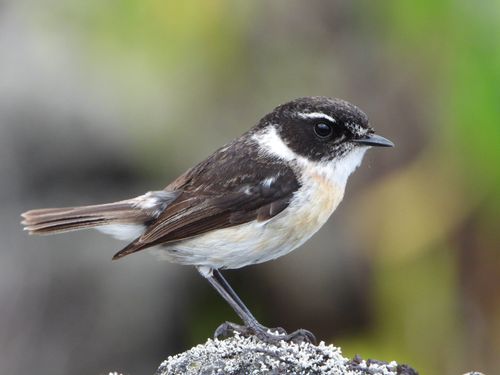
Bird species whose males perform aerial displaying inhabit open rather than closed (forest) environments and are more likely to have multiple mates. They usually have more elongated wings, which is related to the fact that they migrate longer distances, and breed at higher latitudes, i.e. further…

Czech biologists reconstructed phylogeny of African elephant-shrews

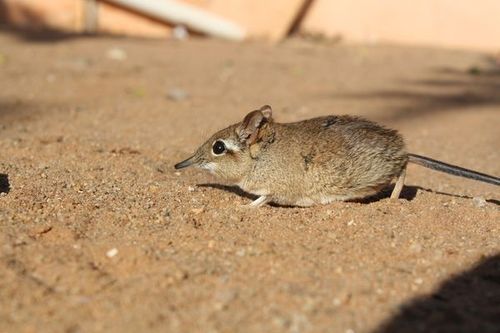
Elephant-shrews, also called jumping shrews or sengis, are little-known African mammals that resemble shrews or rodents in appearance but are evolutionarily closer to elephants or sea sirens. An international team of zoologists, led by Josef Bryja from the Institute of Vertebrate Biology of the…

Ectoparasite load increase in reproductively active sand lizards

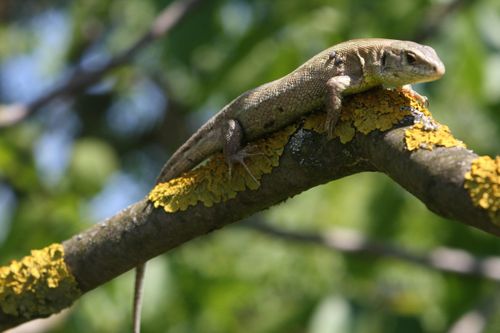
Sexual reproduction imposes risks on participating adults through increased probability of injury, predation pressure, or parasite exposure. Evolutionary theory predicts that animals will tolerate parasite infection during reproduction at the expense of increased parasite load, resulting in…

Fast and furious: host aggression modulates behaviour of brood parasites

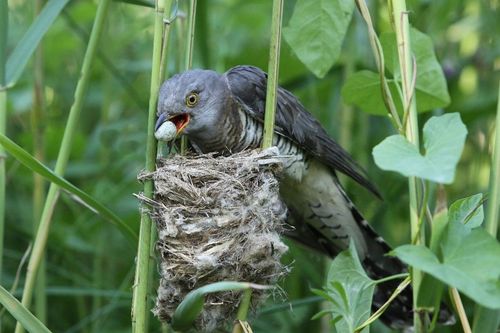
Avian brood parasites pose a serious threat to hosts, substantially reducing their fitness, which selects for the evolution of host defences. A classic example of a host frontline defence is mobbing, which frequently includes contact attacking of brood parasites. Here, we investigated how the nest…

Global study on bird song frequency

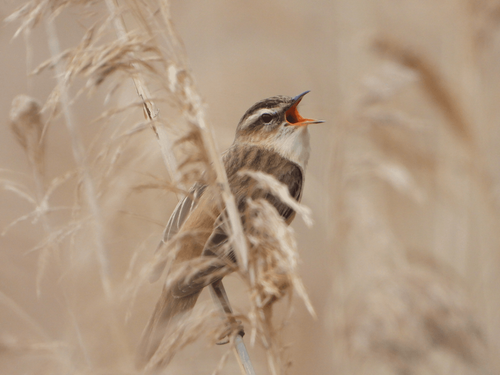
An analysis of the songs of most of the world’s passerine birds reveals that the frequency at which birds sing mostly depends on body size, but is also influenced by sexual selection. The new study from researchers of the Institute of Vertebrate Biology of CAS and Max Planck Institute for…

The emergence of a new species: scientists clarify how this process works

The evolution of a new species is closely related to their ecology and behaviour, with choice of habitat (an area suitable for a living) playing a key role, though it may not be obvious at first glance. Scientists from Institute of Vertebrate Biology of the Czech Academy of Sciences (IVB CAS), who…

Czech scientists have found a new arenavirus in Ethiopia

A new species of mammarenavirus, a mammalian virus from the arenavirus family, was discovered by a scientist from the Institute of Vertebrate Biology of the CAS in collaboration with Russian colleagues. The virus, which, like coronavirus, is a single-stranded RNA virus, is hosted by multimammate…